


Since November 2026, Japan's consumption tax exemption system has operated under the Refund Method (Post-departure Tax Refund System).
To be sure of getting your refund, you must meet all four conditions: "traveller eligibility," "eligible goods," "minimum purchase amount," and "procedures at departure." This page explains, in a clear and easy-to-understand way, the tax-free requirements you need to know to get your consumption tax refunded without any trouble.
Among foreign nationals, Japan's consumption tax exemption system is open to "non-residents" whose main home is outside Japan and who have been in Japan for less than six months since entering the country. On the other hand, residents of Japan who hold a residence card as mid- to long-term residents, and anyone who has been in Japan for six months or more since entering, cannot make tax-free purchases.
Most foreign travellers who visit Japan for sightseeing or business hold "Temporary Visitor" status of residence, so you can go through the tax-free procedure by showing your passport at the shop as identification. When processing a tax-free sale, shop staff check the date of entry stamped in your passport.
| Status of Residence / Landing Permission | What to Show at the Tax-Free Shop |
|---|---|
| Temporary Visitor Most foreign tourists and business travellers fall here |
Passport |
| Diplomatic / Official Diplomats, government-related business trips, etc. |
Passport |
| Cruise Ship Tourist Landing Permit Some cruise ship passengers |
A copy of your passport and your cruise ship tourist landing permit |
| Transit Landing Permit Some passengers entering Japan while in transit |
Passport |
| U.S. Military Personnel and Others U.S. military and related personnel entering under the Japan-U.S. Status of Forces Agreement |
Passport |
Note: Each type of landing permission has its own period of validity. You cannot make tax-free purchases once your permission has expired.
You can also create a tax-free QR code in Visit Japan Web and go through the tax-free procedure without showing your passport.
A tax-free QR code can be issued once you have entered Japan, by scanning your entry date stamp (landing permission) in Visit Japan Web. However, some shops cannot accept the tax-free QR code and may ask to see the passport itself, so be sure to carry your passport with you.
The consumption tax exemption system covers almost all goods, with only a very few exceptions such as gold and platinum bullion.
Unlike the previous tax-free system, the Refund Method no longer treats consumables such as food and cosmetics differently from general goods such as clothing and appliances, and you no longer need to put anything in a sealed bag. However, if you open or use goods in Japan, you cannot receive a consumption tax refund.

The shop where you buy must offer tax-free sales under the Refund Method, so look for the tax-free signage in the shop.
At an eligible shop, everything from "consumables" such as cosmetics, medicine, and sweets to "general goods" such as appliances, clothing, and traditional crafts qualifies, as long as your total purchase at that shop is ¥5,000 or more before tax.

Eligible goods are limited to items for personal use, in quantities you can reasonably carry out of the country yourself when you leave.
If you buy far more than one person can carry, customs may refuse the tax-free procedure when it checks your goods at the airport.

Under the Refund Method you no longer have to seal consumables in bags, but that does not mean you can consume them in Japan. If you open or use food, drinks, medicine, cosmetics, or similar items during your stay, customs cannot check them when you leave, and they are not eligible for a refund.
If you have accidentally consumed any goods in Japan, do not go through the tax-free procedure. Instead, tell a customs officer about it.

Precious metal bullion such as the following is not covered by the tax-free system. Decorative items made of precious metals (such as gold jewellery) are eligible, unlike bullion and gold coins, but some products may not be accepted, so check at the shop.
In addition, items such as gift vouchers, postage stamps, and postcards are not eligible because they are not subject to consumption tax in the first place.
Also, because the consumption tax on food will be reduced to 1% from April 2027, you will get almost nothing back on most food (alcohol stays at 10%), even if you go through the tax-free procedure.
To qualify for the exemption, your eligible purchases at the same shop on the same day must total at least ¥5,000 before tax.
The type of items does not matter when calculating the amount, and there is no upper limit. However, the purchases must be at the same shop, so you cannot combine them if, for example, you spend ¥2,500 at each of two different shops.
Large commercial facilities such as department stores and shopping centres may have a centralised tax-free counter. At a facility with this kind of counter, purchases from different tenants inside the facility can be added together to reach the minimum, which makes it easier to qualify even when each purchase is small.
To receive a consumption tax refund, you must complete the customs check at the airport within 90 days of the date you bought the goods. The 90 days are counted from the day you bought the goods at the tax-free shop, not from the day you entered Japan.
On a typical trip of a few weeks you are unlikely to run into the deadline, but if you stay for several months, keep an eye on your purchase dates.
For goods bought more than 90 days before you leave, you cannot go through the customs terminal, and your right to a refund is lost entirely. If you plan a long stay in Japan, plan your purchases by working backward from your departure date.

Japan's consumption tax rate is a standard 10% for general goods, alcohol, and dining out, and a reduced 8% for food and non-alcoholic beverages other than dining out (the reduced rate for food and beverages will change to 1% from April 2027).
The refund you receive when you leave is the amount of consumption tax included in the total price you paid at the shop.
About Refund Fees
Refund fees vary depending on the company that actually handles the refund, and there is no legal cap or uniform standard. For that reason, the shop, or the tax-free procedure company it contracts with, may deduct fees to cover international transfer and payment processing before paying you the refund.
The amount you actually get back can differ significantly depending on the company, so when you buy expensive items in particular, check the fees charged by the tax-free procedure company the shop uses and the amount you will actually receive.
Under the Refund Method, you choose how you want to receive the amount equal to the consumption tax when you pay at the shop. How you register differs by shop: you may enter your details on a terminal in the shop, or register through a dedicated app or web page.
Once the customs check at departure is complete, the shop or the refund company pays the refund to the destination you registered, based on the verification data.
| How You Receive It | |
|---|---|
| Refund to a credit card | The amount equal to the consumption tax is refunded to the credit card you registered. Because it is processed through the card company, it may take some time to appear on your statement. |
| Transfer to e-money or a payment app | The refund is sent to the e-money or payment app account you registered. Available services differ by tax-free shop and company. |
| Bank transfer | The refund is transferred to the bank account you registered. Compared with other options, international transfer fees may be higher. |
| Cash collection at the airport Only at participating tax-free shops |
After completing the customs check at departure, you collect cash at a designated counter at the airport. Only a limited number of tax-free shops and airports offer this, and you must collect the cash during the counter's business hours. |
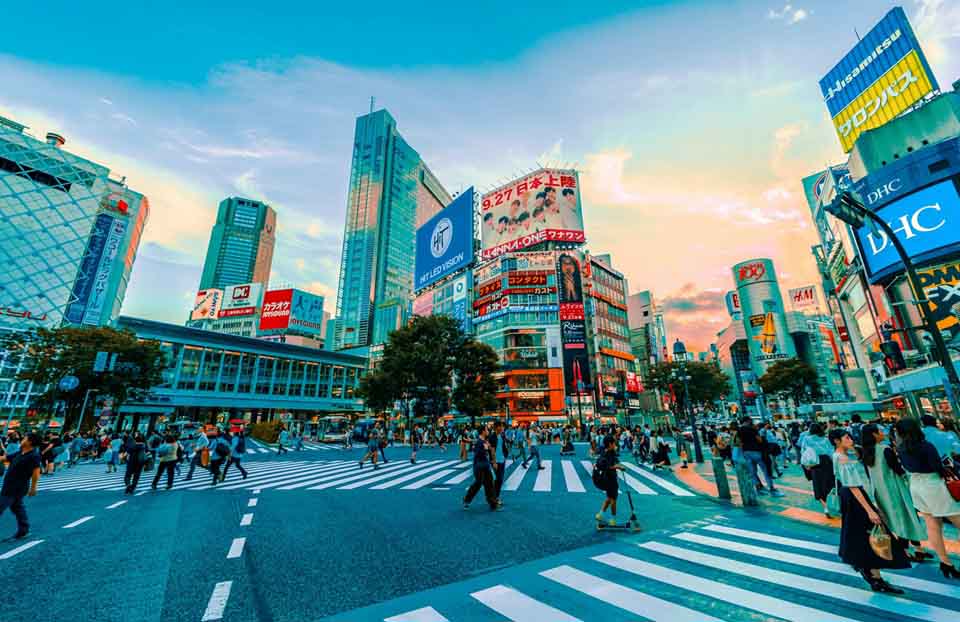
Learn the steps you need to follow, from the customs check at the airport to receiving your tax refund.